Glaucoma is often associated with older adults, but certain forms can occur in infants and children. Pediatric glaucoma is uncommon, yet it deserves particular attention because increased pressure inside a developing eye can affect the optic nerve and vision.
The condition may be present from birth or develop later due to another eye disorder, previous surgery, trauma or other medical factors. For parents, the important point is not to diagnose glaucoma themselves, but to recognize unusual eye changes that should be examined.
What Signs Can Pediatric Glaucoma Cause?
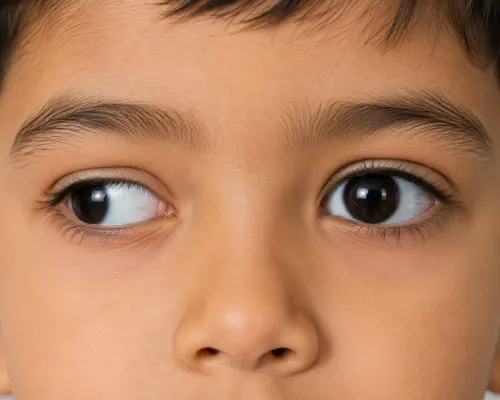
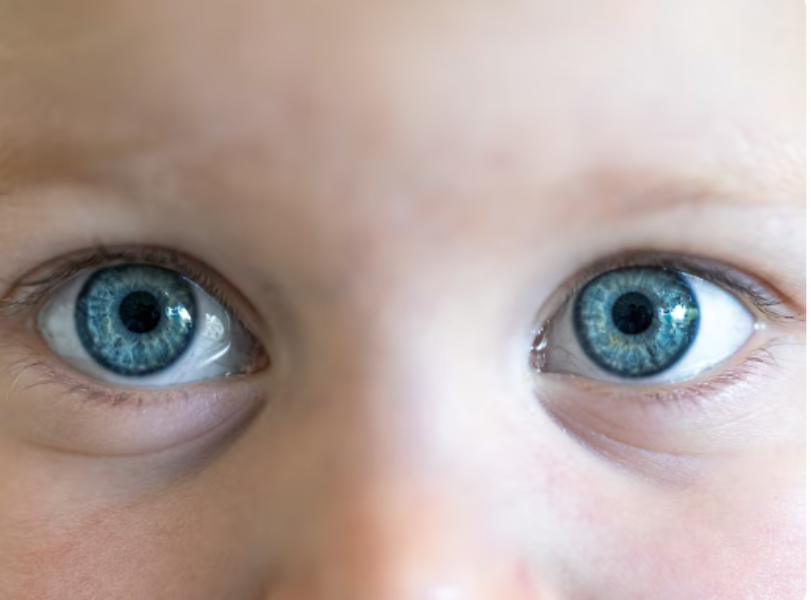
Symptoms vary with a child’s age and the type of glaucoma. In infants and younger children, parents may notice:
- Excessive tearing
- Unusual sensitivity to light
- Frequent eyelid squeezing
- A cloudy-looking cornea
- One eye appearing larger than the other
- Both eyes appearing unusually enlarged
Older children may have fewer obvious external signs. Elevated eye pressure or optic nerve changes can sometimes be identified during an eye examination.
These symptoms do not automatically mean a child has glaucoma. Several childhood eye conditions can produce similar signs, making specialist assessment essential.
How Is It Evaluated?
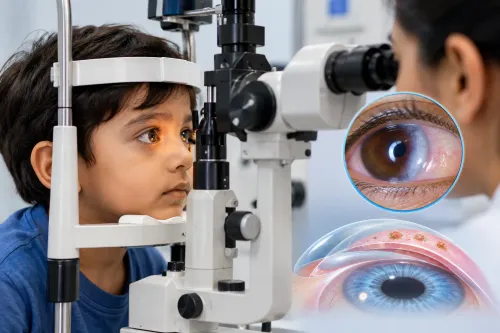
Evaluation may include measurement of intraocular pressure, examination of the optic nerve, assessment of the cornea and other tests selected according to the child’s age and ability to cooperate.
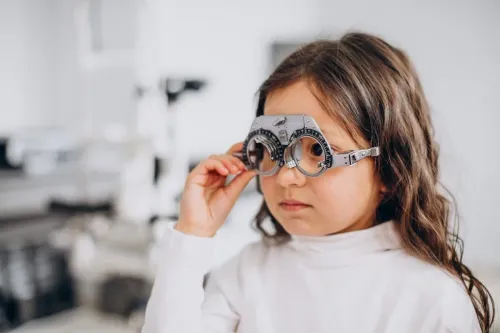
Young children cannot always complete the same tests used for adults. Pediatric eye assessment therefore needs to account for age, development and the clinical question being investigated.
When glaucoma is confirmed, the objective is to control eye pressure and protect remaining visual function. Treatment may involve medicines, procedures or surgery depending on the type and severity of disease. Continued follow-up can be important because childhood glaucoma may require long-term monitoring.
When Should Parents Arrange an Assessment?
Parents should seek evaluation when an infant has persistent watering and light sensitivity, particularly if the cornea looks cloudy or the eye appears unusually large. A child with a known condition associated with glaucoma should follow the examination schedule recommended by the treating ophthalmologist.
Previous childhood eye surgery is another reason that ongoing monitoring may be required in selected patients.
For families in Chandigarh and nearby parts of Punjab and Haryana, access to pediatric ophthalmic evaluation can help distinguish routine childhood eye complaints from conditions requiring closer attention. Eye Care 22 offers assessment for children with suspected glaucoma and other pediatric eye disorders.
Pediatric glaucoma cannot be identified reliably from appearance alone. Appropriate examination, pressure assessment and optic nerve evaluation provide the clinical information needed to determine whether treatment or continued observation is appropriate.
Keywords