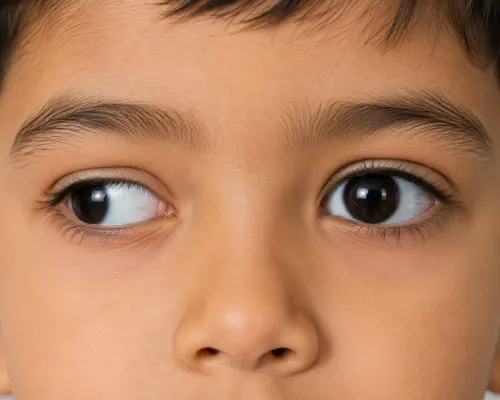
A child’s eyes do not always appear perfectly aligned during the first few months of life. However, when one eye repeatedly turns inward, outward, upward, or downward, the condition may be squint, also known as strabismus. Persistent eye misalignment deserves proper assessment because visual development takes place rapidly during childhood.
Parents in Chandigarh may first notice a squint while looking at family photographs, during play, or when the child is tired. In some children, the deviation is obvious throughout the day. In others, it appears only occasionally. The appearance alone does not indicate how much the child’s vision is affected, which is why an eye examination is important.
What Causes Squint in Children?
Normal eye alignment depends on coordinated eye muscles, clear vision in both eyes, and appropriate communication between the eyes and brain. Strabismus can develop when this coordination is disturbed.
Possible contributing factors include:
- Differences in refractive power between the two eyes
- Significant farsightedness
- Reduced vision in one eye
- Problems involving the eye muscles or nerves
- Certain developmental or neurological conditions
- Family history of strabismus
Sometimes no single obvious cause is identified.
Why Early Assessment Matters
When the eyes point in different directions, the developing brain may begin relying more heavily on the better-aligned eye. Over time, vision in the other eye may not develop normally, potentially resulting in amblyopia or lazy eye.
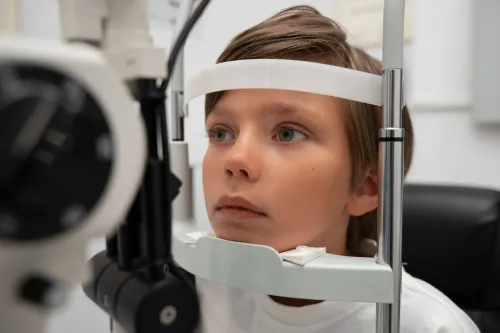
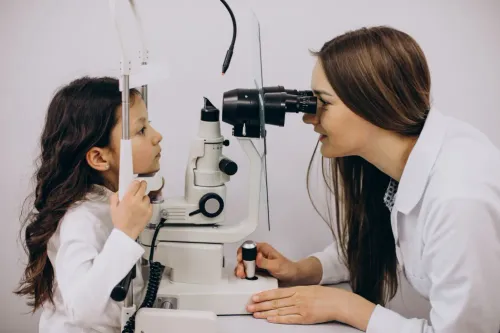
A pediatric eye evaluation therefore looks beyond cosmetic alignment. The ophthalmologist may assess visual acuity, refractive error, eye movements, binocular vision and the internal structures of the eyes.
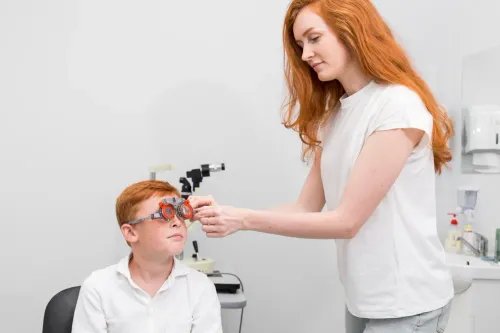
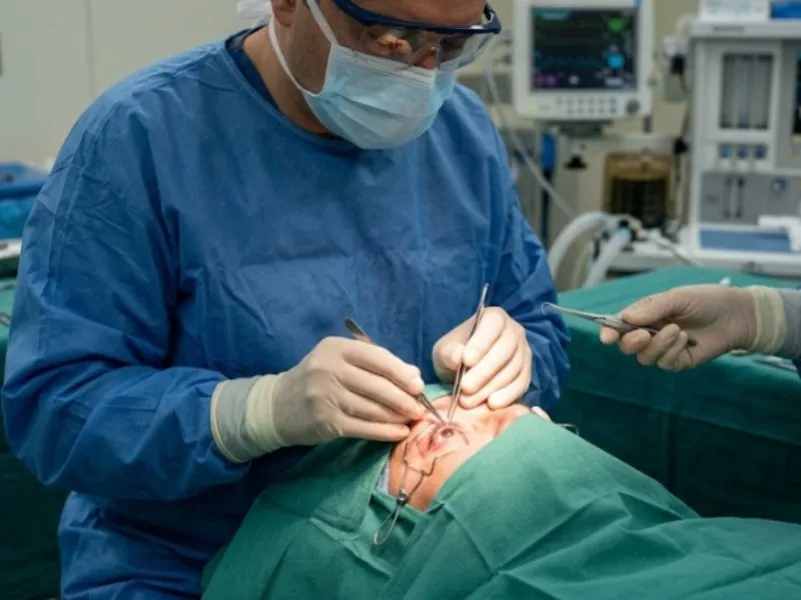
Treatment depends on the cause and severity. Some children need spectacles, while others may require patching or other amblyopia treatment. Selected cases can require eye-muscle surgery. The appropriate approach is determined after a detailed assessment rather than simply by how noticeable the squint appears.
Signs Parents Should Not Ignore
An eye examination is worth considering when a child:
- Frequently has one eye turning in or out
- Closes one eye in bright sunlight
- Tilts or turns the head while looking at objects
- Appears to have difficulty judging distances
- Complains of double vision
- Develops a new eye deviation
- Has an abnormal-looking eye alignment in photographs
A sudden-onset squint, particularly when accompanied by double vision, headache, weakness or other neurological symptoms, requires prompt medical assessment.
Families in Chandigarh and surrounding areas of Punjab and Haryana can access pediatric eye evaluations without waiting for school performance to reveal a possible vision problem. Eye Care 22 provides a local point of care for families seeking assessment of childhood eye alignment and related visual concerns.
Recognizing strabismus early gives clinicians an opportunity to evaluate both eye alignment and visual development during an important stage of childhood.
Keywords