The retina is the light-sensitive tissue at the back of the eye that converts visual information into signals sent to the brain. Although retinal disorders are frequently discussed in relation to adults, pediatric retina diseases can also affect infants, children and teenagers.
Some retinal conditions are present at birth, while others are inherited, developmental, inflammatory or associated with systemic disease. Because young children may not recognize or communicate visual changes, identifying retinal problems can require careful clinical evaluation.
Symptoms That May Lead to a Retinal Assessment
Depending on the condition, a child may experience reduced vision, difficulty seeing in certain lighting conditions or changes in the visual field. Parents may instead notice indirect signs.
These can include:
- Poor visual attention
- Unusual eye movements
- Difficulty navigating in dim light
- Reduced vision in one or both eyes
- New flashes or floaters in an older child
- An unusual pupil appearance in photographs
- A known family history of inherited retinal disease
A sudden increase in flashes or floaters, a curtain-like visual shadow, or sudden loss of vision needs prompt eye assessment.
What Makes Pediatric Retinal Evaluation Different?
Children’s retinal conditions are not simply smaller versions of adult eye diseases. Age of onset, visual development, inherited conditions and associated systemic findings may all influence assessment.
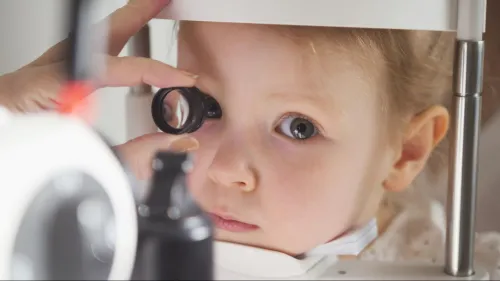
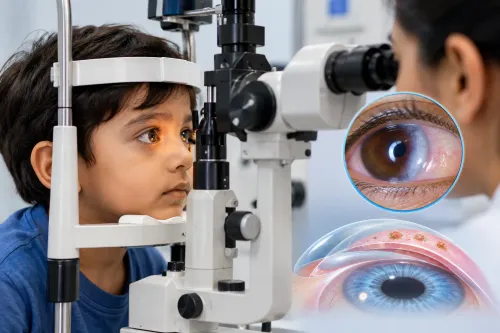
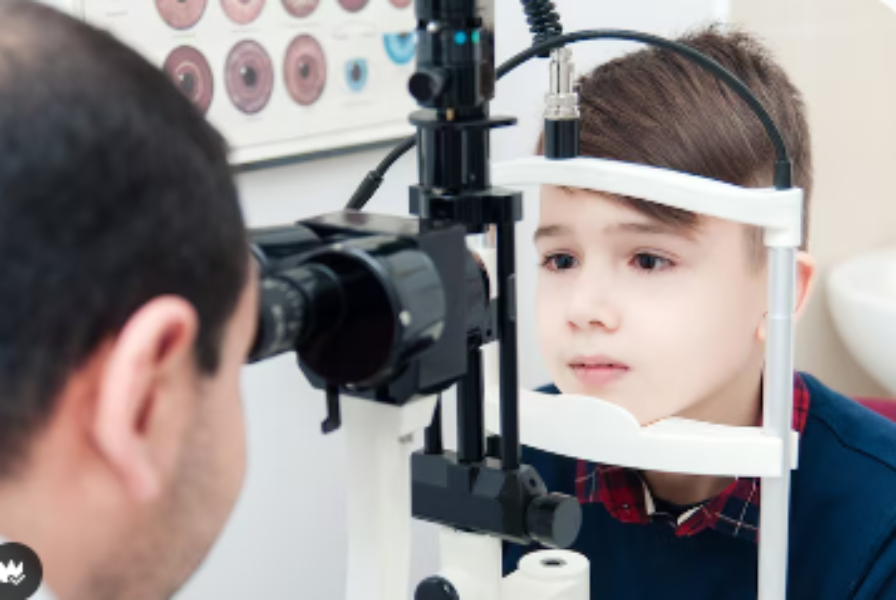
The ophthalmologist may examine the dilated retina and use additional investigations where clinically appropriate. The exact testing depends on the suspected disorder and the child’s ability to participate.
For parents comparing pediatric eye services in Chandigarh, it is useful to ask whether the evaluation can address both the retinal condition and the child’s broader visual development.
When Specialist Evaluation Becomes Particularly Important
A retinal examination may be advised when a child has unexplained reduced vision, abnormal retinal findings during another eye examination, significant eye trauma or a medical condition known to affect the retina.
Premature infants form a separate high-risk group because they may require scheduled screening for retinopathy of prematurity based on neonatal and ophthalmic criteria.
Family history can also matter. When an inherited retinal condition is known or suspected, clinicians may consider the child’s symptoms, examination findings and family information when planning further evaluation.
Families from Chandigarh, Mohali, Panchkula and surrounding communities often need clarity about whether a child’s visual problem originates from refractive error, the front of the eye, the retina or another part of the visual pathway. A comprehensive examination helps narrow down the cause.
Eye Care 22 provides pediatric eye assessment for children requiring evaluation of retinal and other ocular conditions. The aim of an appropriate consultation is to identify the nature of the problem, explain its significance to parents and determine whether monitoring, additional investigation or treatment is needed.
Keywords