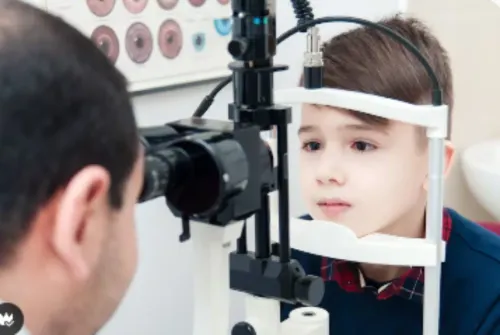
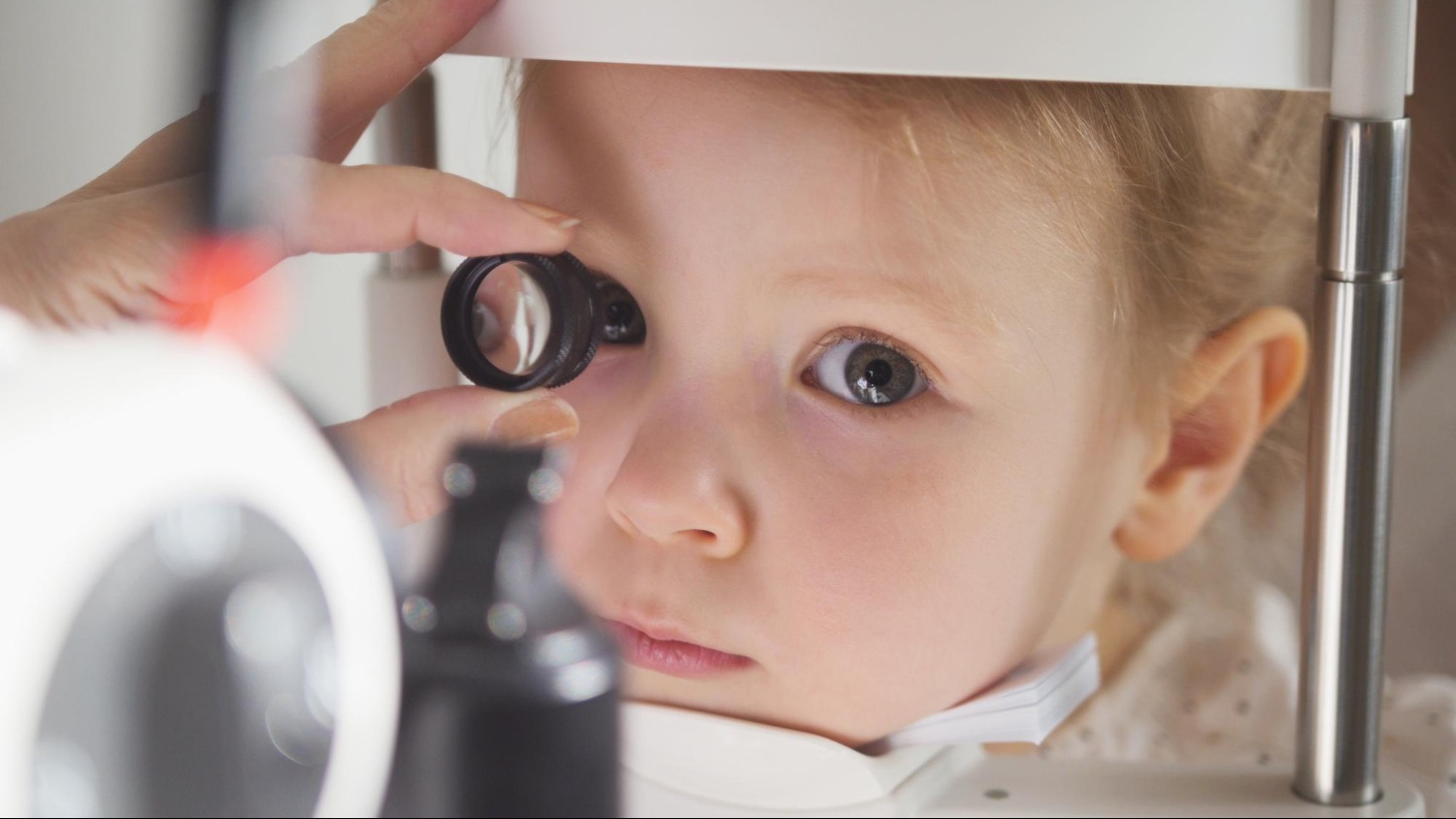
When a baby is born prematurely, medical follow-up can involve several specialties. Eye screening may be one of them. Retinopathy of prematurity (ROP) is a retinal condition that can occur in premature or low-birth-weight infants because the blood vessels of the retina are still developing.
Not every premature baby develops significant ROP. However, screening is important because parents cannot reliably detect early retinal changes simply by looking at the baby’s eyes.
Why Is ROP Screening Time-Sensitive?
Retinal blood-vessel development continues around the time a baby would normally still be in the womb. Premature birth changes this developmental environment, and abnormal vessel growth can occur in some infants.
ROP screening is therefore performed according to the baby’s gestational age, birth weight and neonatal risk factors. The neonatal and ophthalmology teams determine whether screening is required and when the first examination should occur.
Parents should keep the recommended appointment even when the baby appears to see normally.
What Should Parents Prepare For?
Before leaving a neonatal unit or hospital, parents of an eligible premature infant should know:
- Whether ROP screening is required.
- When the next retinal examination is due.
- Where the examination will take place.
- Whether additional follow-up has already been advised.
- Who to contact if the scheduled visit cannot be attended.
The screening process may require more than one examination. Retinal development changes over time, so a single early examination does not necessarily complete the screening schedule.
What Happens If ROP Is Found?
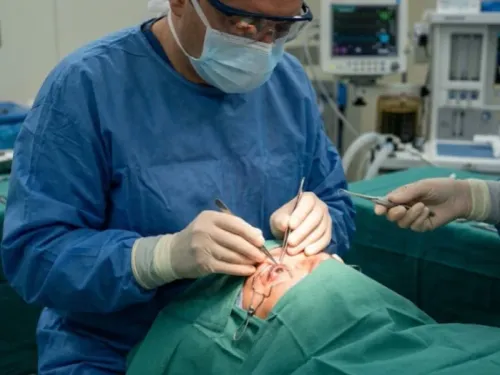
ROP is classified according to retinal findings and severity. Some cases may resolve without treatment but still require monitoring. More significant disease may require treatment according to the ophthalmologist’s assessment.
This is why parents should not interpret a recommendation for another examination as meaning that something has necessarily become worse. Follow-up is an essential part of determining how the retina is developing.
Choosing ROP Follow-Up in Chandigarh
Families in Chandigarh may return home after neonatal treatment while still having several specialist appointments ahead. Keeping ROP documentation together with the baby’s discharge papers can make follow-up easier.
Bring previous screening reports to each visit, particularly when the child has been examined at another hospital. Details such as gestational age, birth weight, neonatal history and previous retinal findings can be clinically important.
Eye Care 22 serves families seeking pediatric ophthalmic assessment in Chandigarh, including evaluation and follow-up of retinal concerns in infants where clinically appropriate.
For parents of premature babies, the most useful rule is simple: follow the ROP screening schedule given by the neonatal and ophthalmology team. Because early disease may not create visible symptoms, timely retinal examinations—not outward appearance—are what determine whether the developing retina needs observation or intervention.
Keywords