Healthy eyesight supports reading, learning, driving, working and everyday independence. Yet many people pay attention to their eyes only when vision becomes blurry or discomfort starts affecting daily life. A better approach is to follow simple eye care habits and recognise changes before they become difficult to manage.
Eye Care 22 encourages families in Chandigarh to view routine eye health as an important part of preventive healthcare. Regular examinations are especially valuable because some eye diseases can develop without obvious symptoms during their early stages.
Schedule Eye Examinations at the Right Time
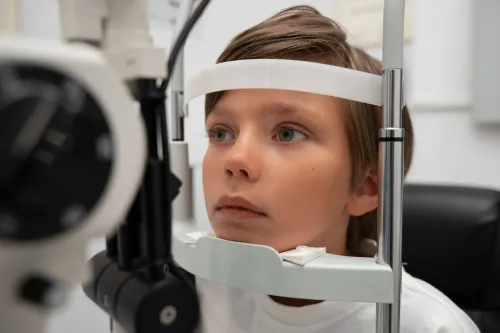
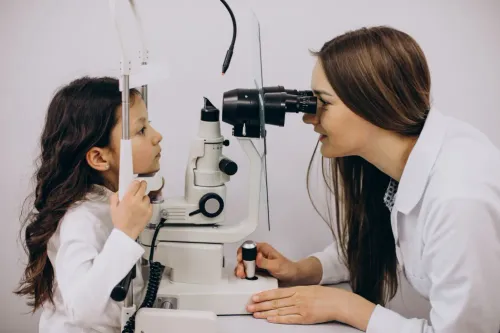
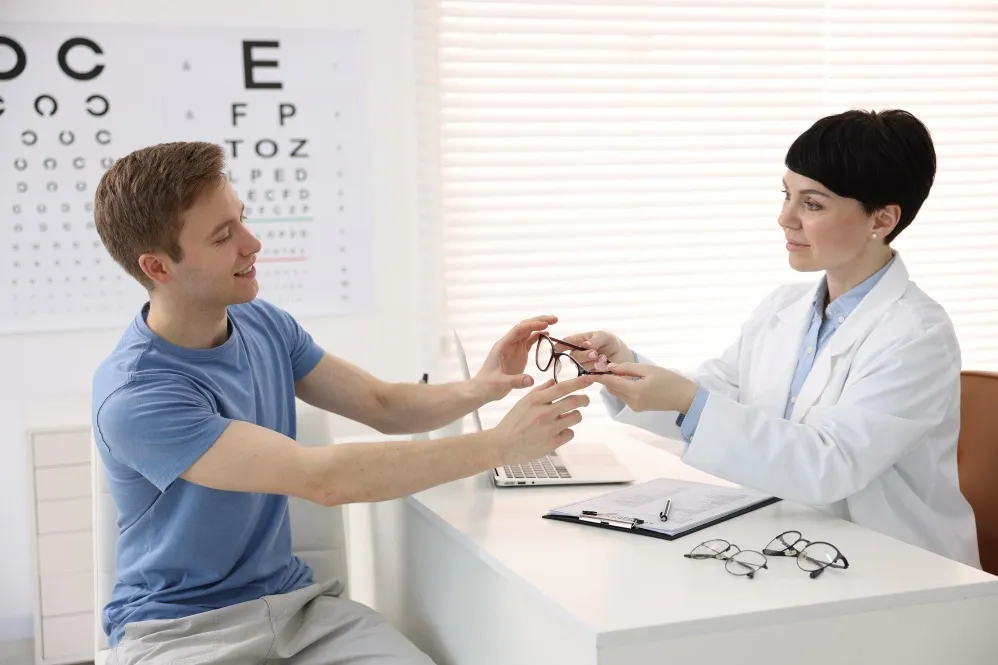
A routine vision check is not limited to finding the correct spectacle power. A comprehensive examination may assess eye pressure, focusing ability, eye alignment, corneal health, lens clarity and the retina.
The appropriate frequency depends on age, symptoms and medical history. People who may require closer monitoring include:
- Children with reading difficulty, frequent blinking or eye misalignment
- Adults who spend long hours using computers
- People with diabetes or high blood pressure
- Contact lens users
- Individuals with a family history of glaucoma or retinal disease
- Adults noticing gradual changes in near or distance vision
An ophthalmologist may recommend a personalised follow-up schedule after examining the eyes.
Protect Your Eyes from Chandigarh’s Environment
Dust, pollen, dry air, strong sunlight and seasonal pollution can contribute to irritation. Chandigarh residents may notice greater discomfort during dry summer days, periods of high pollen or exposure to traffic pollution.
Wearing well-fitted sunglasses outdoors can reduce exposure to ultraviolet radiation, wind and airborne particles. Choose sunglasses that provide proper UV protection rather than selecting lenses only by colour or darkness.
Motorcycle riders should use a clean visor or protective eyewear. People working around chemicals, construction material, machinery or flying particles should wear task-appropriate safety glasses.
Use Digital Screens More Comfortably
Extended screen use does not necessarily damage the eyes permanently, but it can cause digital eye strain. Common complaints include tired eyes, temporary blurring, headaches, dryness and difficulty shifting focus.
Helpful habits include:
- Position the screen slightly below eye level.
- Reduce glare from windows and overhead lights.
- Increase text size instead of moving closer to the screen.
- Blink consciously, particularly while reading.
- Look at a distant object regularly to relax focusing muscles.
- Take short movement breaks during prolonged work.
Children should also have a balanced routine that includes outdoor activity, sufficient sleep and age-appropriate screen limits.
Avoid Self-Medicating with Eye Drops
Redness can result from allergy, dryness, infection, corneal injury or several other conditions. One eye drop is not suitable for every cause.
Using antibiotic, steroid or redness-relieving drops without an examination may temporarily hide symptoms or create additional problems. Steroid-containing drops are particularly unsuitable for unsupervised use because they can worsen certain infections and increase eye pressure in susceptible individuals.
If redness is accompanied by pain, light sensitivity, discharge or reduced vision, an eye examination is more appropriate than repeatedly trying over-the-counter products.
Support Vision Through General Health
Eye health is closely connected with overall health. Balanced meals containing vegetables, fruits, protein sources, nuts and whole grains support normal body and eye function. People with diabetes should work toward stable blood sugar control because prolonged high glucose levels can affect the retina.
Adequate hydration, regular physical activity, sufficient sleep and avoiding tobacco also contribute to long-term wellbeing. Supplements should not replace a balanced diet or be taken as a universal solution for eye diseases.
Know the Warning Signs
Arrange prompt assessment if you experience:
- Sudden loss or reduction of vision
- New flashes of light or many floating spots
- A dark curtain or shadow across the visual field
- Severe eye pain
- Chemical exposure or eye injury
- Sudden double vision
- Marked redness with light sensitivity
- Distorted or wavy central vision
Routine habits cannot prevent every eye disease, but they can reduce avoidable strain and make early detection more likely. Paying attention to small changes today can help preserve comfortable, functional vision for years.
Keywords