Most unusual-looking eye symptoms in children are not caused by cancer. Nevertheless, certain rare eye tumours can occur during childhood, which makes it important to evaluate specific warning signs rather than dismissing persistent changes.
Pediatric ocular oncology deals with tumours involving the eye and surrounding structures. One of the better-known childhood eye cancers is retinoblastoma, a rare tumour arising in the retina and seen primarily in young children.
What warning signs should parents recognise?
A particularly important sign is an unusual white reflection in the pupil, sometimes first noticed in a photograph taken with flash.
Other possible signs can include:
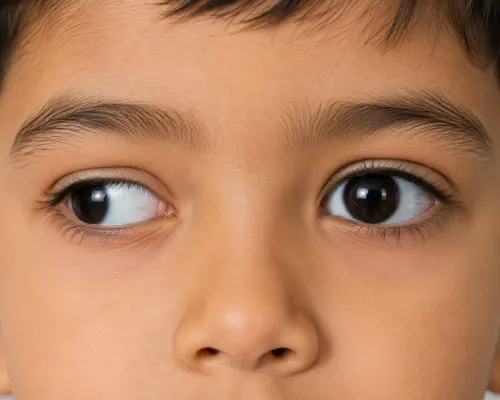
- A new squint
- Unexplained deterioration in vision
- A change in the appearance of the eye
- Persistent eye redness or swelling
- Unusual eye movements
- Eye pain in some cases
These findings can have many non-cancerous causes. However, they should be examined because it is not possible to determine the cause reliably from appearance alone.
What happens when an eye tumour is suspected?
The first priority is accurate diagnosis.
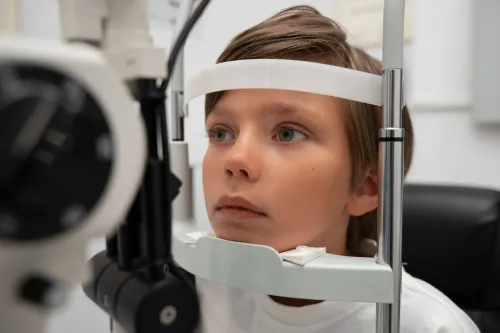
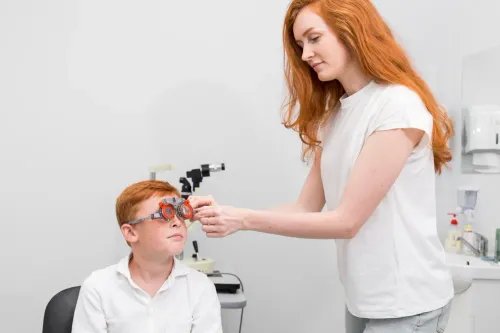
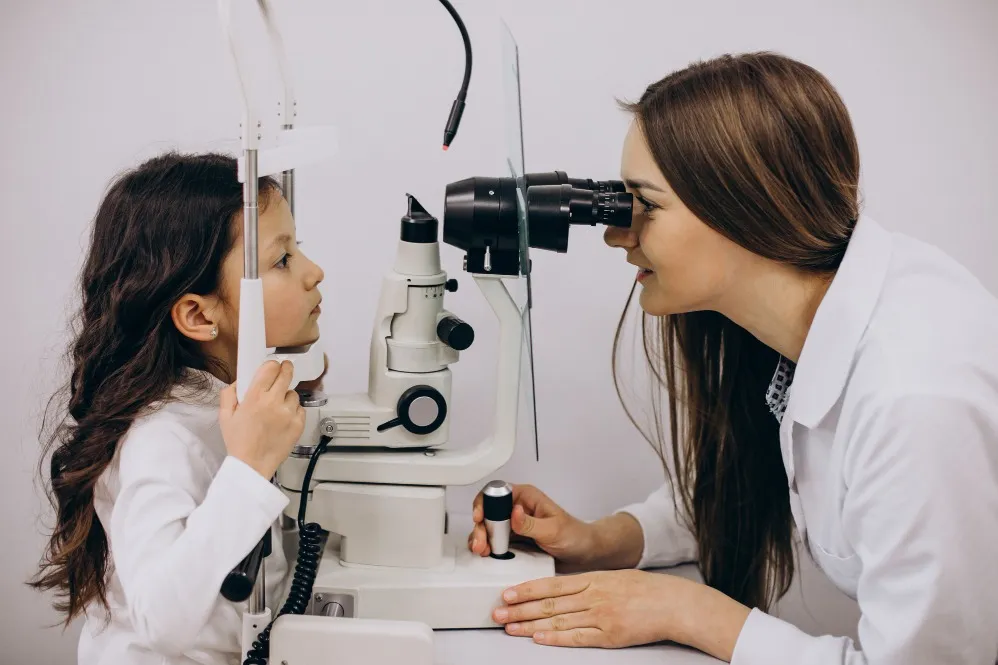
A specialist examination may assess the retina and other ocular structures. Depending on findings, additional imaging and multidisciplinary investigations can be required.
If a tumour is identified, management depends on factors such as tumour type, location, extent and whether one or both eyes are involved.
Pediatric ocular oncology may involve collaboration among ophthalmologists, pediatric oncologists, radiologists, genetic specialists and other clinicians.
Why family history may be relevant
Some cases of retinoblastoma are associated with inherited genetic changes. When clinically appropriate, genetic assessment and counselling may therefore become part of the care pathway.
This can have implications not only for the affected child but sometimes for siblings and future family planning.
Seeking assessment in Chandigarh
Eye Care 22 provides pediatric ophthalmic evaluation in Chandigarh for children with unusual ocular signs and conditions requiring further specialist assessment.
Parents should arrange prompt evaluation if they notice a persistent white pupillary reflection, especially if it appears repeatedly in photographs, or if a child develops a new squint or unexplained visual change.
The aim is not to assume that every unusual reflection indicates a tumour. It is to make sure that potentially important causes are properly excluded.
When ocular oncology is suspected, timely diagnosis and appropriate referral or multidisciplinary management help establish the safest care pathway for the child.
Keywords