The retina is the light-sensitive tissue at the back of the eye that converts visual information into signals the brain can interpret. Although retinal disease is often discussed in relation to adults, children can also develop retinal conditions that require specialised investigation.
Pediatric retinal disease is not one diagnosis. It includes a broad group of inherited, developmental, inflammatory and other retinal disorders.
Why retinal problems can be difficult to recognise
A parent cannot usually see the retina by looking at a child’s eye. Some retinal disorders may also develop without obvious redness or discomfort.
Instead, changes may become noticeable through visual behaviour.
Parents might observe:
- Difficulty following faces or toys
- Reduced response to visual objects
- Unusual eye movements
- Poor vision in dim lighting
- Problems navigating unfamiliar surroundings
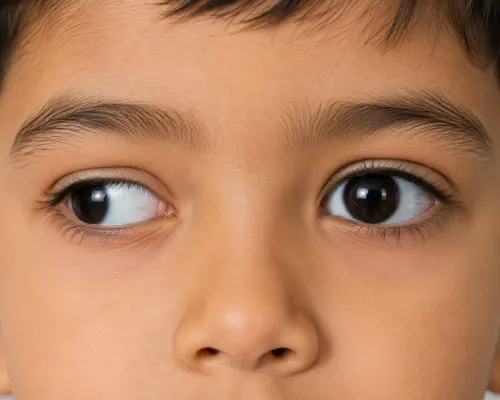
- A new squint
- An unusual white appearance in the pupil
- Developmental concerns involving visual attention
These signs can have several causes, so diagnosis requires an eye examination rather than assumptions based on symptoms alone.
What happens during retinal evaluation?
The evaluation starts with the child’s history. Age at which symptoms began, birth history, premature birth, previous illnesses and family history of eye disease can all provide useful clinical information.
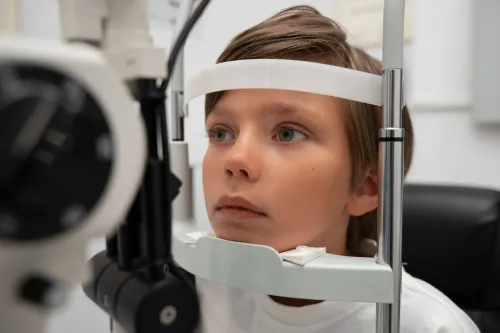
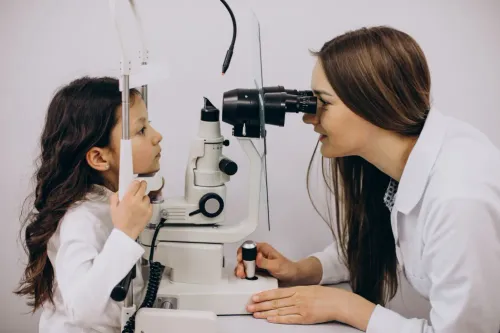
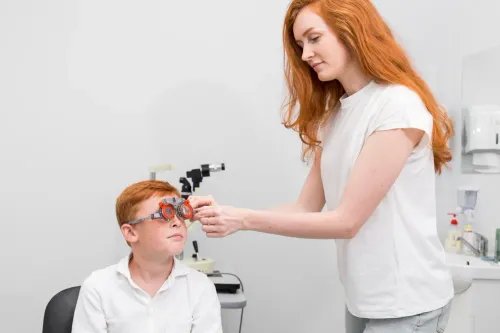
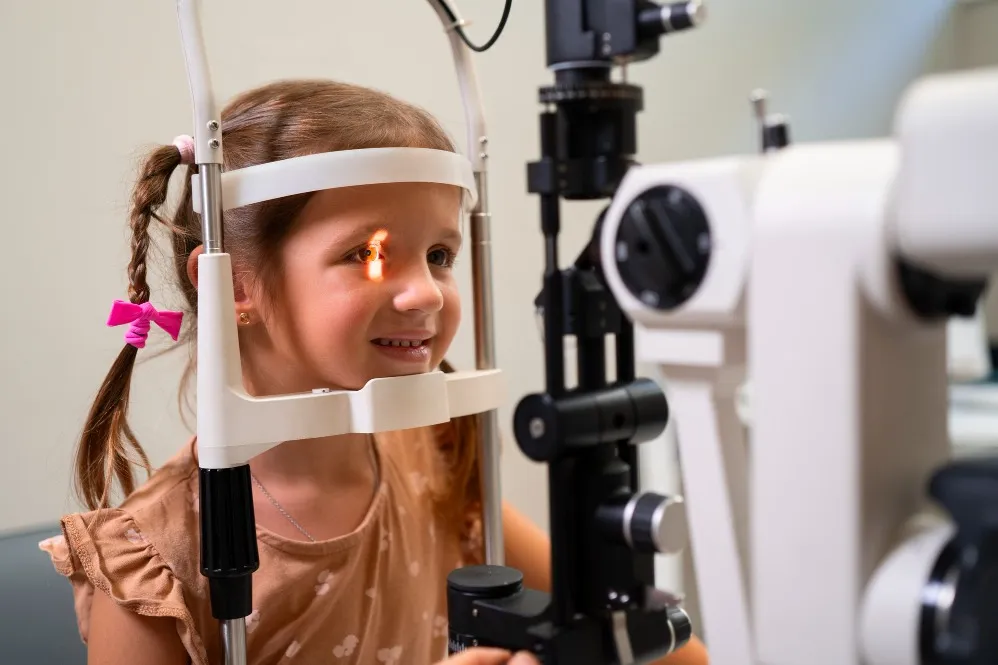
The ophthalmologist may then assess vision and examine the retina through a dilated pupil. Depending on the suspected condition, retinal imaging, electrophysiological testing, ultrasound, genetic evaluation or other investigations may be considered.
The exact testing pathway varies because a premature infant with retinal concerns requires a very different approach from an older child with suspected inherited retinal disease.
Treatment depends on the diagnosis
There is no universal treatment for pediatric retinal disease.
Some conditions need observation and scheduled monitoring. Others may require medical, laser, injection-based or surgical treatment. Children with inherited retinal disorders may require multidisciplinary evaluation and counselling.
Visual rehabilitation and correction of associated refractive errors can also form part of care when appropriate.
Pediatric retina assessment in Chandigarh
Families seeking pediatric retina services in Chandigarh should look for evaluation that considers both the retinal condition and the child’s broader visual development.
Eye Care 22 provides pediatric ophthalmic assessment for children with retinal concerns and other childhood eye disorders.
A child showing unexplained visual difficulty, unusual eye movements, a white pupillary reflex or significant changes in visual behaviour should receive appropriate assessment. Early diagnosis does not mean every retinal condition can be reversed, but it can clarify the cause, identify conditions requiring treatment and help families understand the appropriate monitoring and care pathway.
Keywords