
The retina is a thin layer of light-sensitive tissue lining the back of the eye. It receives light and converts it into signals that travel to the brain, allowing us to recognise details, colours, shapes and movement. Retinal problems can therefore affect central vision, side vision or both.
Some retinal diseases progress slowly, while others can threaten sight within a short period. Eye Care 22 advises Chandigarh residents to take sudden visual changes seriously, even when there is no pain or external redness.
Flashes and Floaters: What Do They Mean?
Floaters are small dots, threads or cobweb-like shapes that move across the field of vision. They may become more noticeable against a bright wall or clear sky. A few stable floaters can occur naturally as the gel inside the eye changes with age.
Flashes may look like brief streaks, sparks or flickering lights, often appearing at the side of vision. New flashes and floaters can occur when the vitreous gel pulls away from the retina. In some cases, this process creates a retinal tear.
An urgent dilated retinal examination is important when you experience:
- A sudden increase in floaters
- Repeated flashes of light
- A dark curtain or shadow in your vision
- Sudden loss of side vision
- Blurring after the appearance of flashes or floaters
These symptoms may indicate a retinal tear or detachment. Retinal detachment is generally painless, so the absence of discomfort should not be taken as reassurance.
How Diabetes Affects the Retina
Diabetic retinopathy develops when prolonged high blood sugar damages small blood vessels in the retina. Early disease may not cause noticeable symptoms. As it progresses, people may experience blurred vision, fluctuating sight, dark spots or difficulty seeing fine details.
Everyone with diabetes benefits from regular retinal examinations according to the schedule recommended by their eye doctor. Good control of blood glucose, blood pressure and cholesterol can support overall health and reduce the risk of complications.
People should not wait for vision to deteriorate before getting their retina checked. Treatment is often more effective when changes are detected before major visual loss occurs.
Central Vision Changes
The macula is the central portion of the retina responsible for detailed vision. It helps with reading, recognising faces, driving and seeing colours clearly.
Macular problems may cause:
- Straight lines to appear bent or wavy
- A blurred patch in the centre of vision
- Difficulty reading despite updated glasses
- Reduced colour intensity
- A dark or missing area in central vision
Testing one eye at a time can make these changes easier to notice. If distortion appears suddenly, arrange an examination promptly.
Who May Need Closer Retinal Monitoring?
Certain people have a higher likelihood of developing retinal problems, including those with:
- Diabetes or uncontrolled hypertension
- High spectacle power for short-sightedness
- Previous eye injury
- Previous retinal tear or detachment
- A family history of retinal detachment
- Recent eye surgery
- Age-related retinal changes
- Inflammatory or vascular conditions
The presence of a risk factor does not mean vision loss is inevitable. It means that an appropriate examination schedule becomes particularly important.
What Happens During a Retina Examination?
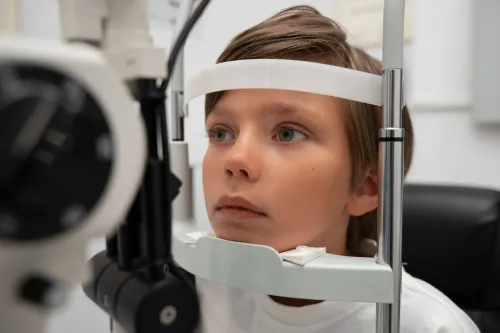
The doctor may use dilating drops to widen the pupil and examine the back of the eye. Vision can remain blurred and sensitive to light for several hours afterward, so patients may prefer to bring sunglasses and arrange transport if necessary.
Depending on the findings, retinal imaging or optical coherence tomography may be advised. These tests provide detailed information about the retina and macula. Other investigations may be selected for specific vascular or structural concerns.
Residents of Chandigarh, as well as nearby parts of Punjab and Haryana, should treat sudden flashes, multiple new floaters, visual distortion or a curtain-like shadow as time-sensitive symptoms. Recognising these signs and acting promptly can make a meaningful difference to the available treatment options.
Keywords