For parents of a premature baby, neonatal care can involve many appointments and medical decisions. One important eye-related consideration is retinopathy of prematurity, commonly known as ROP.
ROP affects the developing retinal blood vessels of some babies born prematurely. Importantly, early ROP generally cannot be identified by parents simply by observing their baby’s eyes. This is why screening is so important for babies who meet clinical screening criteria.
Why does ROP develop?
The retinal blood vessels continue developing during pregnancy. When a baby is born prematurely, this normal development has not yet been completed.
In some infants, retinal blood-vessel growth can become abnormal. Mild disease may resolve without treatment, whereas more significant disease can threaten the retina and vision.
Prematurity and low birth weight are important risk factors, while the baby’s overall neonatal course also helps clinicians determine screening needs.
Why the timing of screening matters
ROP screening is different from a routine childhood vision test.
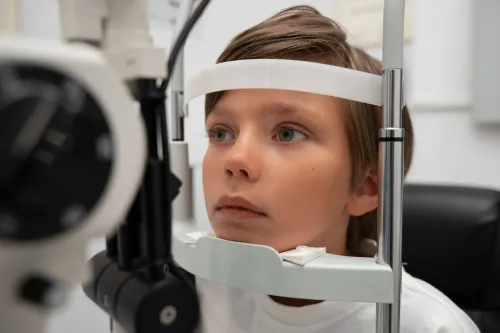
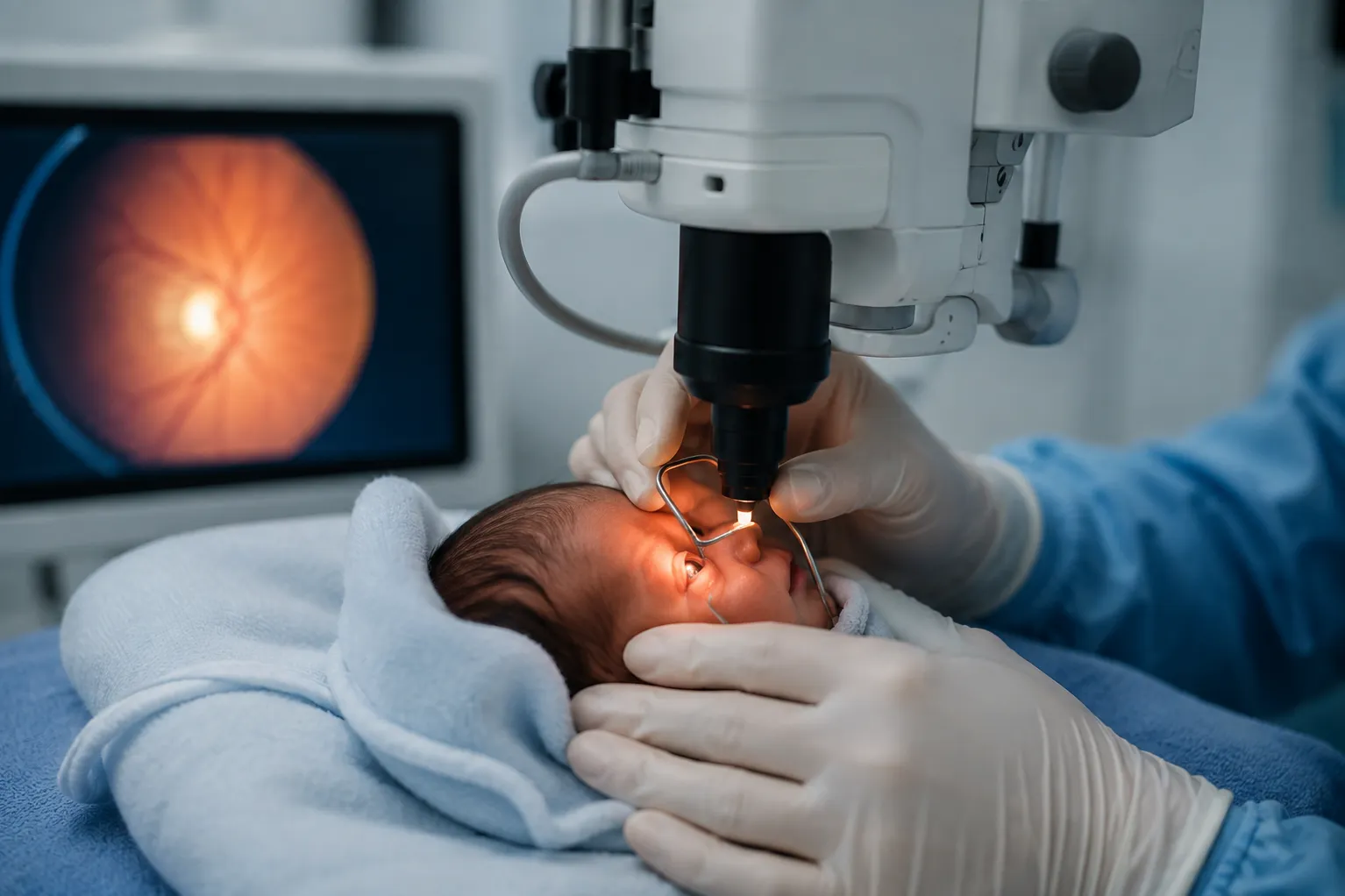
A trained ophthalmologist examines the retina to determine whether ROP is present and, when present, its location and severity. Follow-up timing is then based on retinal findings and the infant’s clinical circumstances.
Parents should follow the screening schedule provided by the neonatal and ophthalmology teams. Missing a recommended examination can be significant because changes in ROP may occur while a baby still appears visually normal to the family.
What happens if ROP is detected?
Not every baby diagnosed with ROP requires active treatment. Some babies are monitored closely while the retina continues developing.
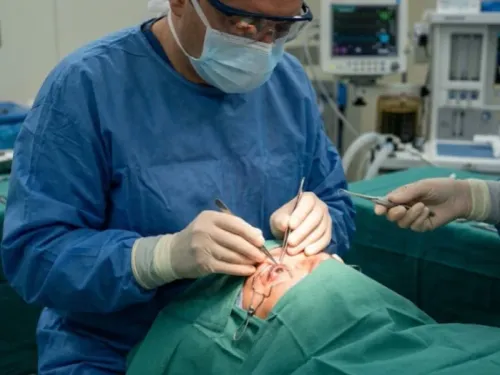
When disease reaches treatment criteria, management may include laser treatment, medicines delivered into the eye or surgery in advanced situations. The ophthalmologist determines the appropriate approach according to retinal findings.
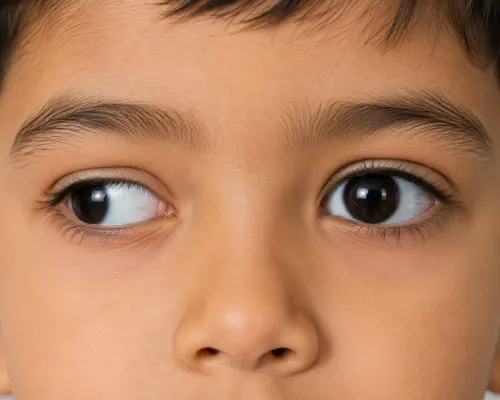
Babies with a history of prematurity may also have an increased likelihood of later eye conditions such as myopia, squint and amblyopia, making longer-term eye follow-up relevant even after the immediate ROP period.
ROP care for premature babies in Chandigarh
Eye Care 22 provides pediatric ophthalmic services in Chandigarh, including evaluation related to retinal conditions in children.
Parents of premature babies should confirm the required ROP screening and follow-up schedule with their treating neonatal and ophthalmic teams rather than waiting for visible symptoms.
ROP care is fundamentally time-sensitive screening and follow-up. Keeping every recommended appointment gives the ophthalmologist the opportunity to monitor retinal development and determine whether observation or treatment is required.
Keywords