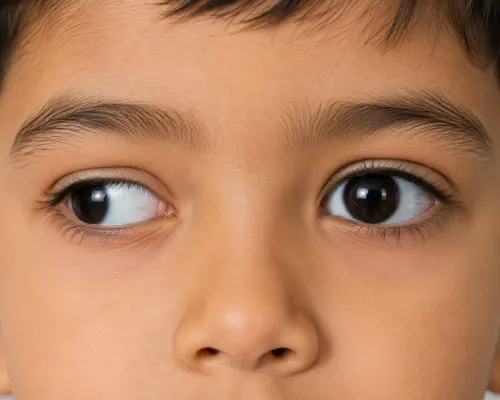
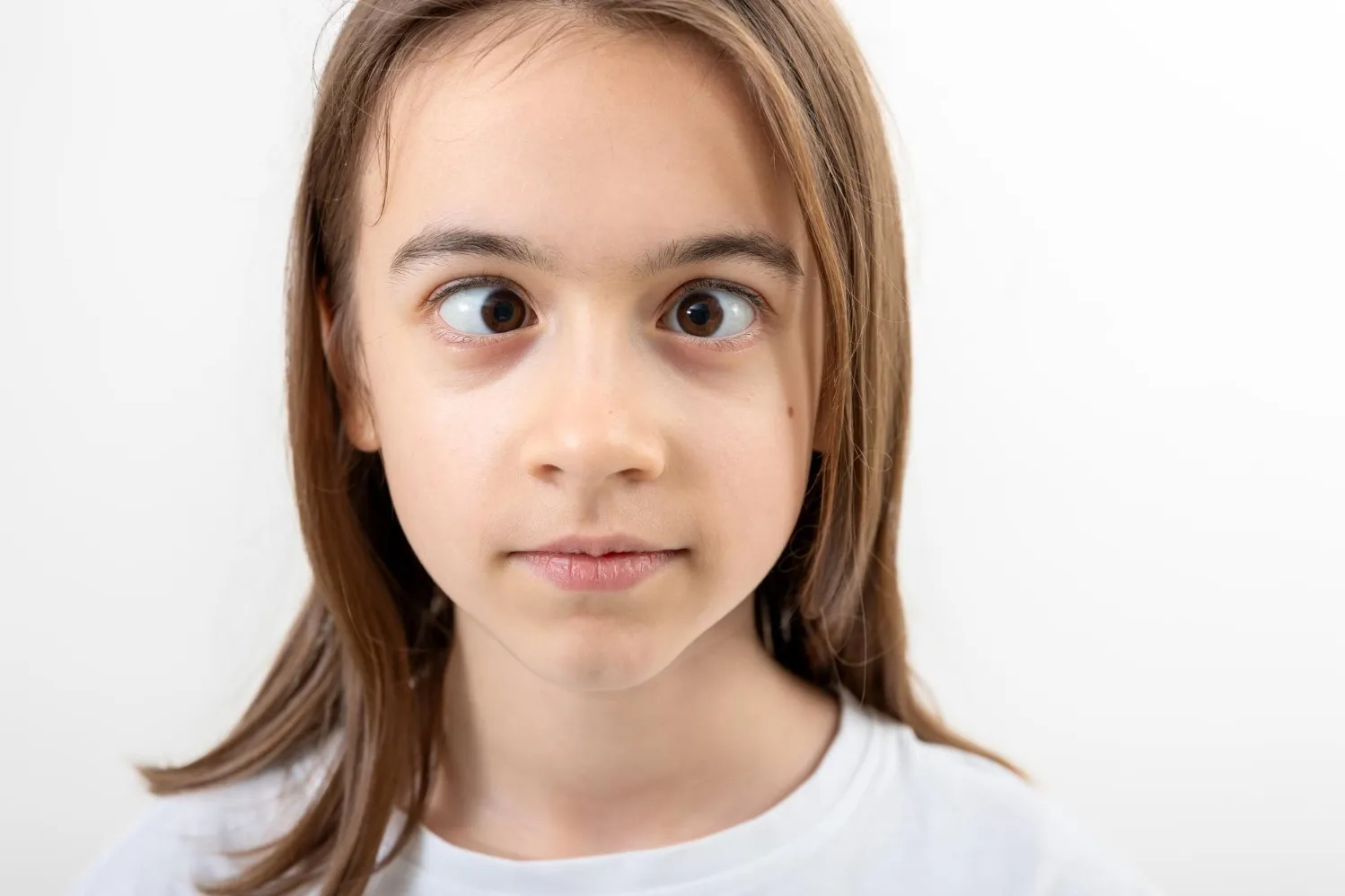
A squint occurs when the two eyes do not point in the same direction. While one eye looks straight ahead, the other may turn inward, outward, upward or downward. The deviation may remain visible continuously or appear only when the child is tired, unwell or focusing on a particular object.
Squint is common in childhood, but it should not automatically be treated as a phase the child will outgrow. Eye Care 22 helps parents in Chandigarh understand that early assessment matters because eye alignment and visual development are closely connected.
How Squint Can Affect a Child’s Vision
During early childhood, the brain learns to use visual information received from both eyes. If one eye is consistently misaligned, the brain may begin to ignore its image to avoid confusion. Over time, vision in that eye may not develop normally, resulting in amblyopia, commonly called lazy eye.
A child may not complain because the stronger eye compensates. This is why parents, teachers and caregivers often play an important role in recognising the first signs.
Possible indicators include:
- One eye turning inward or outward
- Closing one eye in bright light
- Tilting or turning the head while looking at objects
- Frequent eye rubbing or blinking
- Difficulty catching a ball or judging distance
- Sitting unusually close to screens or books
- Headaches or tired eyes during schoolwork
- Poor concentration while reading
- Bumping into objects more frequently
Photographs may also reveal an eye turn that is difficult to notice during normal conversation.
Is an Occasional Eye Turn in a Baby Normal?
A newborn’s eyes may occasionally appear misaligned because visual coordination is still developing. However, a constant eye turn should be assessed. A deviation that continues or repeatedly appears after the early months also deserves professional attention.
Sometimes the shape of a baby’s nose or skin folds near the inner corners of the eyes creates the appearance of a squint even when alignment is normal. This is known as pseudostrabismus. An eye examination can distinguish an apparent squint from a true alignment problem.
What Causes Squint?
There is no single cause. Squint may be associated with:
- Uncorrected refractive error
- A difference in spectacle power between the eyes
- Reduced vision in one eye
- Problems affecting eye-muscle coordination
- Premature birth or developmental conditions
- Family history of squint
- Certain neurological or eye disorders
A detailed evaluation is necessary because treatment depends on the underlying reason rather than appearance alone.
What Happens During a Squint Assessment?
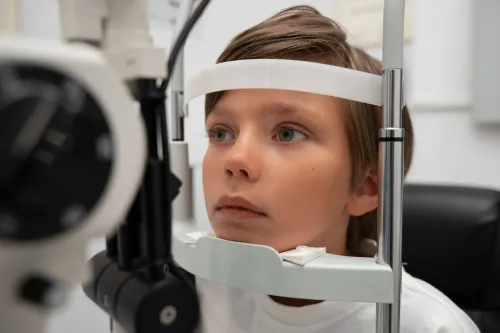
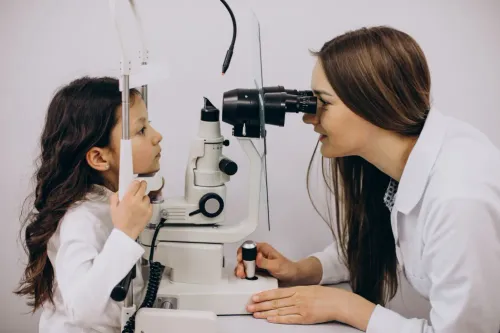
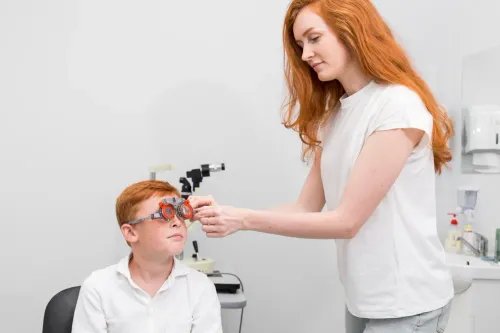
The examination is generally adapted to the child’s age and ability to cooperate. The doctor may observe eye position, check how each eye follows an object and assess whether the child can use both eyes together.
Other parts of the evaluation may include:
- Measuring vision in each eye separately
- Performing cover tests to study alignment
- Checking eye movements
- Using dilating drops to measure spectacle power accurately
- Examining the internal structures of the eyes
Parents should bring previous prescriptions, medical records and information about when the eye turn was first noticed.
Treatment Is Different for Every Child
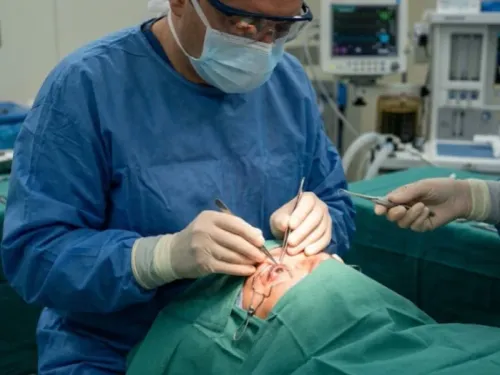
Glasses may improve alignment when refractive error contributes to the squint. If lazy eye is present, patching the stronger eye or using prescribed drops may encourage the weaker eye to work. Selected children benefit from eye exercises, while others may require squint surgery to adjust the muscles controlling eye position.
Surgery can improve alignment, but additional treatment may still be needed for spectacle power or lazy eye. Follow-up is therefore an important part of care.
Families across Chandigarh, Mohali and Panchkula should avoid waiting for school difficulties before arranging an assessment. Early recognition gives the developing visual system a better opportunity to use both eyes effectively and supports the child’s learning, confidence and coordination.
Keywords