
A glaucoma diagnosis alone does not mean you need an Ahmed glaucoma valve. The decision depends on your measured eye pressure, target pressure, optic-nerve and visual-field changes, previous treatment, glaucoma type, and the likelihood that another option will work. By the end, you will know which findings commonly lead to AGV consideration and what to ask before agreeing to surgery.
Key takeaways
- One high eye-pressure reading does not establish the need for an Ahmed valve.
- AGV is considered when glaucoma remains damaging despite suitable treatment.
- Ask why an Ahmed valve fits your glaucoma type and how alternatives compare.
- Plan for follow-up visits, medication changes, and pressure monitoring after surgery.
How does an ophthalmologist decide whether you need glaucoma surgery?
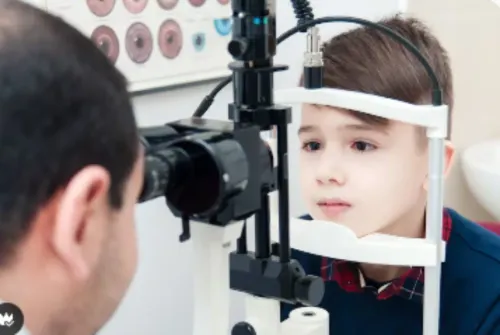
A glaucoma diagnosis—or one high pressure reading—does not by itself show that you need an Ahmed glaucoma valve (AGV). An ophthalmologist confirms the glaucoma subtype and judges whether measured intraocular pressure is damaging the eye despite an appropriate treatment plan.
The assessment includes:
- Repeated pressure measurements, including how the readings compare with your target pressure.
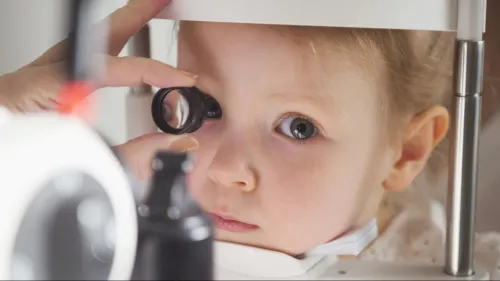
- Optic-nerve examination for cupping, rim thinning, haemorrhage, or other damage.
- OCT scans to measure retinal nerve-fibre and ganglion-cell loss.
- Visual-field testing when you can perform it reliably, showing whether vision is being lost.
- Gonioscopy to inspect the drainage angle and identify angle-closure, inflammation, trauma, or abnormal vessels.
- A complete medication and laser history, including the number of drops, side effects, previous procedures, and whether doses are taken as prescribed.
- The speed of progression: new OCT, optic-nerve, or visual-field damage despite treatment weighs more heavily than a single pressure result.
Surgery becomes more reasonable when pressure remains above target despite tolerated medicines and laser, or when nerve or field loss is progressing. If missed doses, incorrect drop technique, or an unsuitable target explains the readings, the doctor may address those issues first.
The decision about who needs AGV glaucoma surgery in Chandigarh is therefore based on the individual eye, remaining visual potential, previous operations, and the risk of further loss—not on the diagnosis alone. An AGV lowers pressure; it cannot restore optic-nerve tissue or reverse established field loss.
Which glaucoma situations may lead to AGV consideration?
An Ahmed glaucoma valve may be considered when intraocular pressure remains above target despite appropriate medicines, reliable adherence, and laser treatment. It is also relevant when optic-nerve damage or visual-field loss continues to progress, because an AGV lowers pressure but cannot restore lost nerve tissue or reverse established field loss.
| Situation | Why an AGV may be considered | Important context |
|---|---|---|
| Pressure uncontrolled | Medicines or laser have not reached target pressure | Confirm adherence, measurements, and the treatment goal |
| Progressive damage | OCT, optic-nerve examination, or visual fields show worsening | Progression can justify surgery even without an extreme pressure reading |
| Failed trabeculectomy | The filtration surgery no longer controls pressure | Scarring and previous operations affect device selection |
| Conjunctival scarring | Healthy tissue for another filtration operation is limited | Previous surgery, trauma, or inflammation may increase failure risk |
| Neovascular or uveitic glaucoma | Abnormal vessels or inflammation can make trabeculectomy unreliable | These eyes need careful control of the underlying disease |
| Traumatic or post-surgical glaucoma | Drainage structures may be damaged or altered | Gonioscopy and surgical history guide planning |
| Congenital or childhood glaucoma | Pressure remains high despite age-appropriate treatment | Children require specialist assessment and long-term follow-up |
AGV glaucoma surgery in Chandigarh and glaucoma valve surgery in Chandigarh are not automatically appropriate for every person with advanced glaucoma.
A glaucoma specialist compares an Ahmed valve with trabeculectomy, another drainage device, cyclophotocoagulation, laser, or continued medicines according to the glaucoma subtype, target pressure, inflammation, lens status, remaining visual potential, previous procedures, and ability to attend follow-up.
Why choose an Ahmed valve instead of another treatment?
An Ahmed valve is chosen when the eye needs substantial pressure reduction but trabeculectomy is unlikely to remain safe or effective. Its valve limits early fluid drainage, but it does not remove the need for drops, pressure checks, or possible revision surgery.
The target pressure, visual potential, inflammation, lens status, scarring, and previous operations all matter.
| Option | Main advantage | When it may fit |
|---|---|---|
| Ahmed valve | Tube drains fluid to a plate; useful in scarred or inflamed eyes | Failed trabeculectomy, uveitic, neovascular, traumatic, childhood, or post-surgical glaucoma |
| Trabeculectomy | Can achieve a very low target pressure without an implanted tube | Favourable conjunctiva, controlled inflammation, useful vision, and reliable follow-up |
| Laser treatment | Avoids incisional surgery; effect depends on glaucoma type | Earlier disease, suitable drainage angles, or a patient needing a lower-risk step |
| Cyclophotocoagulation | Reduces fluid production inside the eye | Poor visual potential, painful refractory glaucoma, or eyes unsuitable for filtering surgery |
| Other drainage devices | Non-valved implants can provide stronger flow | Very high target-pressure demands, balanced against greater hypotony risk |
| Continued medication | Avoids surgical risks | Pressure and progression remain controlled, with dependable adherence and follow-up |
Conjunctival scarring from earlier surgery, active inflammation, or a need for a very low target pressure can shift the decision toward a tube or another procedure. Lens status may favour combined cataract surgery, while limited visual potential may favour cyclophotocoagulation rather than an aggressive filtering operation.
Advanced glaucoma treatment in Chandigarh should match your disease and your capacity for frequent postoperative reviews, not the label alone.
What happens before, during, and after AGV surgery?
Before AGV glaucoma surgery in Chandigarh, the ophthalmologist checks eye pressure, optic-nerve damage, corneal health, medications, previous operations and your general health. Tell the team about blood thinners, allergies and any infection; arrange transport because you will not drive home.
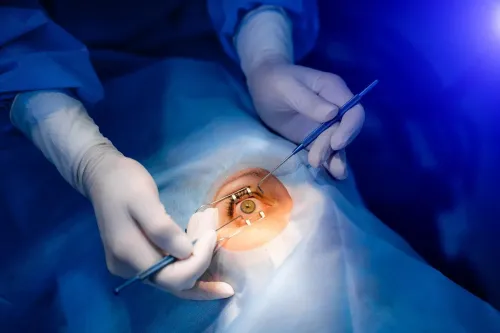
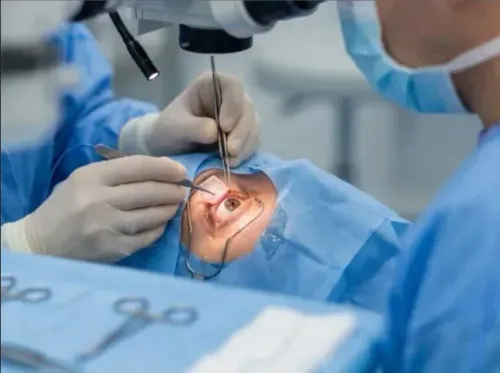
1. Anaesthesia: Adults usually receive local anaesthetic, sometimes with sedation. Children or people unable to remain still may need general anaesthesia. The surgeon cleans and covers the eye, then places the Ahmed valve plate beneath the conjunctiva and positions its tube inside the eye to drain aqueous fluid.
The valve limits early flow, and stitches hold the device in place.
2. Protection and drops: A shield protects the eye while you sleep. Use prescribed antibiotic and steroid or anti-inflammatory drops exactly as directed; do not stop or change them because vision feels better. Early reviews check pressure, inflammation, the wound, tube position and cornea.
3. Recovery decisions: Blurred vision, watering and redness are expected early, but worsening pain, discharge or a sudden sight change needs urgent advice. Keep soap and bath water out of the eye, avoid swimming, rubbing and heavy lifting until the surgeon permits them.
Drive only after vision, eye comfort and the treating ophthalmologist make it safe; return to work when your duties and screen use are manageable.
Pressure may fluctuate for weeks and can take several months to stabilise. Continue every appointment, since extra drops, laser, needling or further surgery may be needed.
What risks and questions should you discuss with a glaucoma surgeon in Chandigarh?
An Ahmed valve lowers pressure by adding a tube and plate inside the eye, so the benefit comes with lifelong monitoring. Success usually means reaching the agreed pressure target with or without drops—not restoring vision already lost from glaucoma.
Discuss these possible problems with your glaucoma surgeon in Chandigarh:
- Hypotony, causing a shallow or flat anterior chamber, blurred vision, or reduced eye pressure.
- Persistent high pressure because the valve does not lower pressure enough.
- Tube blockage or malposition, which can require repositioning.
- Plate or tube exposure through the conjunctiva, increasing infection risk.
- Corneal endothelial damage or later corneal decompensation.
- Diplopia, bleeding or hyphema, and postoperative inflammation.
- Infection, including a serious infection inside the eye.
- Cataract progression and the possible need for cataract surgery.
- Revision surgery, cyclophotocoagulation, or another pressure-lowering procedure.
Ask specific questions before scheduling glaucoma valve surgery in Chandigarh:
- What is my glaucoma subtype and target pressure?
- What result will you call success, and how likely is it in my eye?
- Will I still need drops, and could my medication burden increase?
- How much useful vision remains, and what damage cannot be reversed?
- How often will you check pressure, inflammation, the wound, tube position, and cornea?
- Why is an Ahmed valve preferable to trabeculectomy or another option?
Advanced Squint Centre is worth considering only if its glaucoma specialist can match the proposed operation to your diagnosis, visual potential, alternatives, and follow-up needs.
Related service
Glaucoma Surgery (AGV) Advanced Squint Centre offers advanced Glaucoma Surgery (AGV) in Chandigarh for patients suffering from glaucoma that cannot be effectively... View service → |
Frequently asked questions
How does an ophthalmologist decide whether you need glaucoma surgery?
The ophthalmologist confirms the glaucoma subtype, reviews optic-nerve and visual-field damage, checks pressure trends, and assesses whether treatment is controlling progression.
Which glaucoma situations may lead to AGV consideration?
An Ahmed glaucoma valve may be considered when pressure remains unsafe despite medicines, laser treatment, or previous surgery, including complex or secondary glaucoma cases.
Why choose an Ahmed valve instead of another treatment?
The surgeon compares an Ahmed valve with medicines, laser, trabeculectomy, and other drainage devices based on your pressure target, eye history, scarring risk, and glaucoma type.
What happens before, during, and after AGV surgery?
Before surgery, your eye and medical history are assessed. During surgery, a valve and tube help drain fluid. Afterward, you need prescribed drops, pressure checks, and visits to monitor healing.
What risks and questions should you discuss with a glaucoma surgeon in Chandigarh?
Discuss infection, bleeding, inflammation, pressure that is too low or high, tube-related problems, vision changes, recovery time, alternatives, and the follow-up schedule.
Keywords