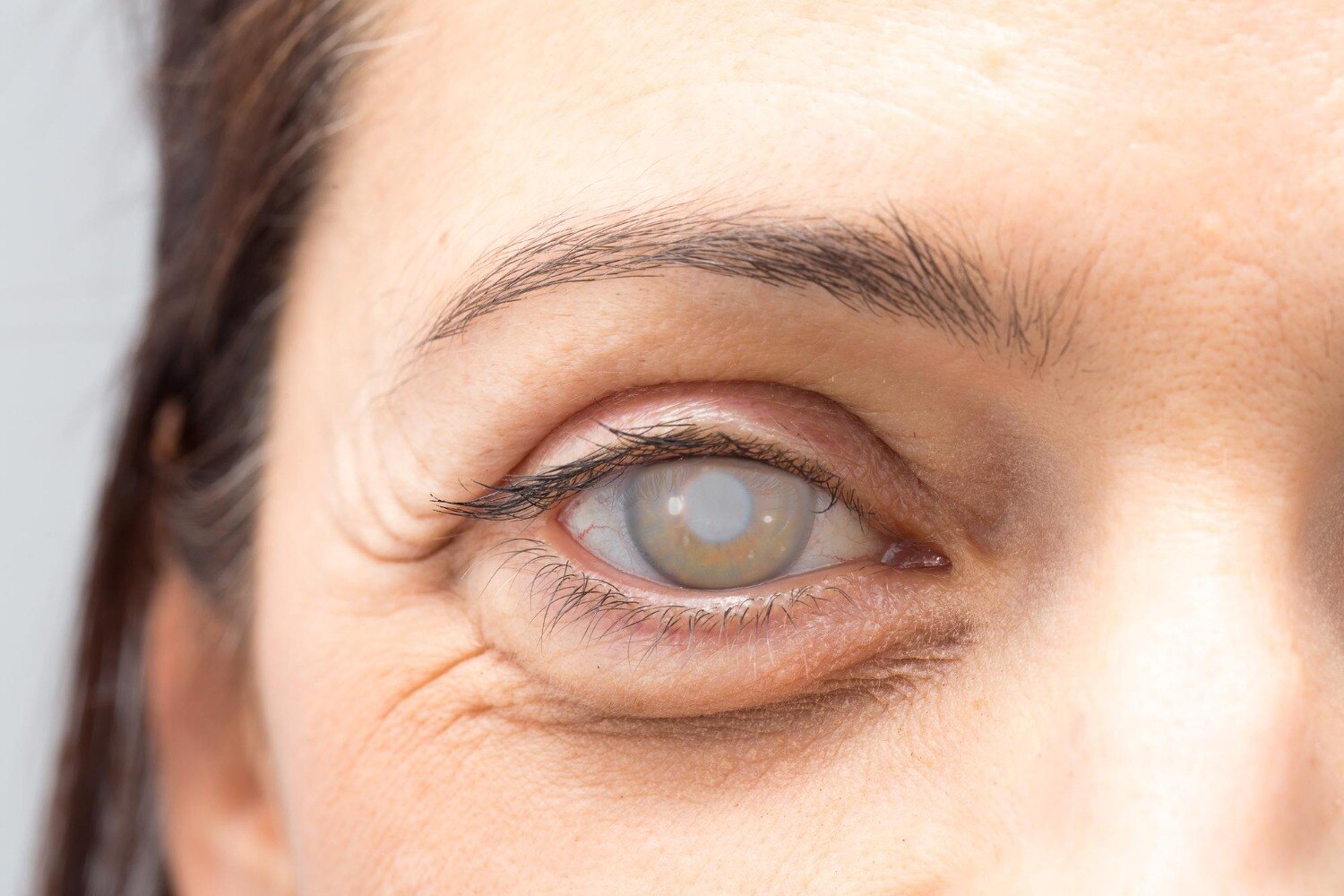
Premium cataract surgery involves more than removing a cloudy lens: your surgeon must match an IOL design to your reading range, astigmatism, eye health and tolerance for night-time visual effects. You will be able to follow the measurements, operating-room steps, same-day discharge process and decision points that shape the result.
Key takeaways
- Premium IOLs reduce glasses dependence but do not guarantee glasses-free vision.
- Biometry, corneal mapping and retinal checks help determine lens suitability.
- Choose a toric lens when corneal astigmatism affects your measurements.
- Report worsening pain, redness, discharge or sudden vision loss after surgery.
What a premium IOL changes about your vision
A premium IOL changes the compromise between clear distance, intermediate and near vision after the cloudy natural lens is removed. It does not guarantee freedom from glasses, and “premium” describes several optical designs rather than one standard lens.
| Option | Vision target | Main trade-off |
|---|---|---|
| Monofocal | One chosen distance, usually far; glasses handle reading or computer work | Most predictable optics and fewer halos |
| Multifocal or trifocal | Far, intermediate and near focal points | Halos, glare and reduced contrast, especially in dim light |
| Extended-depth-of-focus (EDOF) | Far through intermediate range, including many computer distances | Near print may still require reading glasses; night symptoms can occur |
| Accommodating | Distance with an attempted shift toward intermediate or near focus | The focusing effect is less predictable and may not provide strong reading vision |
| Toric | Corrects regular corneal astigmatism rather than expanding focal range | Residual blur can remain if measurements are inaccurate or the lens axis rotates |
A multifocal IOL in Chandigarh is designed to reduce dependence on glasses for several distances, not to promise perfect vision in every task. You might still use glasses for small print, prolonged reading or particular lighting, while halos around headlights can make night driving less comfortable.
Toric lens cataract surgery requires accurate corneal measurements and precise alignment with the planned meridian. A toric lens does not correct every irregular form of astigmatism, so the eye’s health and corneal shape matter as much as the advertised lens range.
Which tests decide whether a premium lens fits your eye
Premium IOL suitability depends on reliable measurements and a healthy eye, not the lens price. The surgeon must also record your intended postoperative focus—distance, intermediate, near, or a combination—because an accurate power calculation can still produce an unsatisfactory result if your priorities were unclear.
| Test | What it measures or checks | Why it affects the decision |
|---|---|---|
| Biometry | Axial length, corneal curvature and anterior-chamber dimensions | Calculates the IOL power; unusual eye length increases prediction error |
| Keratometry | Corneal curvature and regular astigmatism | Supplies the cylinder power and axis for toric lens cataract surgery |
| Corneal topography or tomography | Corneal shape, steep meridians and irregular astigmatism | Detects an irregular cornea that a toric IOL may not correct |
| Tear-film and ocular-surface examination | Dry eye, blepharitis and unstable tear quality | An uneven surface makes keratometry unreliable; treat it before final measurements |
| Dilated retinal examination and macular OCT | Retina, macula and optic nerve health | Macular or optic-nerve disease can limit the benefit of a multifocal or extended-depth-of-focus lens |
| Eye-pressure and glaucoma assessment | Intraocular pressure and optic-nerve status | Identifies disease that could reduce visual quality or require treatment |
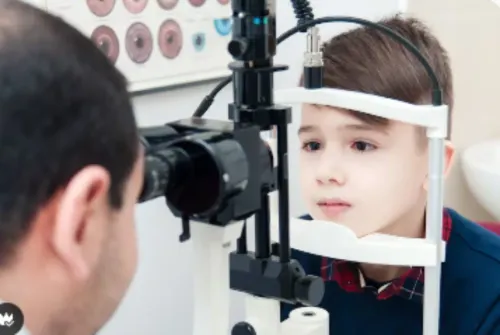
The examination should also check the cornea, lens capsule, pupil and eyelids. For toric planning, the surgeon marks or digitally records the intended meridian; inaccurate marking, alignment or later lens rotation can leave blurred vision from residual astigmatism. A repeat measurement is sensible when dry eye, contact-lens wear or inconsistent readings is present.
What happens on the day of cataract surgery
The premium lens does not require a different kind of operation: cataract surgery in Chandigarh usually follows the same day-surgery pathway as standard cataract removal. After registration, a nurse checks your eye, blood pressure and medical details, then gives dilating drops.
You change or prepare for the procedure, confirm the selected eye and lens, and receive instructions about medicines and transport home.
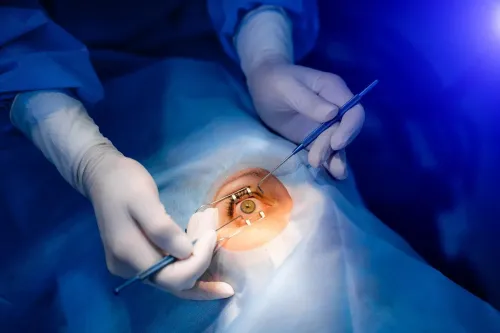
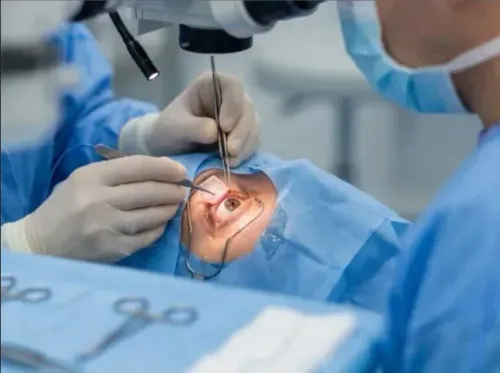
In the operating room, you lie on your back while the team cleans the skin around your eye and uses topical anaesthetic drops or a local anaesthetic injection. You remain awake, but the eye is numb.
Expect bright lights, gentle pressure, water-like sensations and movement around your face; sharp pain is not expected, so tell the surgeon immediately if you feel it. Through a small incision, the surgeon breaks up and removes the cloudy natural lens with phacoemulsification, then places the premium IOL inside the remaining capsular bag.
The operation commonly takes less than an hour.
Afterward, staff check your eye and provide prescribed antibiotic and anti-inflammatory drops, a protective shield and written restrictions. Vision can look blurred, watery or hazy at first. Do not rub the eye, drive yourself home or let unapproved water contact it.
Arrange an escort and attend the scheduled follow-up; urgent help is needed for severe pain, increasing redness, rapidly worsening vision, flashes, a shower of floaters or a curtain-like shadow.
How your surgeon chooses between premium and monofocal lenses
Your reading distance, driving routine and willingness to wear glasses usually matter more than the label “premium.” Define whether you want clear distance, computer-range or near vision before choosing; an accurate IOL calculation can still produce an unsatisfying result if the target was never agreed.
| Lens option | Favourable situation | Main compromise |
|---|---|---|
| Monofocal | You prioritise dependable distance vision, night driving or maximum contrast | Reading glasses are usually needed |
| Extended-depth-of-focus | You want distance and useful intermediate vision for screens | Fine print may still require glasses |
| Multifocal or trifocal | You want to reduce glasses use across several distances | Halos, glare and reduced contrast can affect low-light or night driving |
| Toric lens | You have measurable regular corneal astigmatism | Incorrect measurement or axis alignment can leave blur |
Regular astigmatism can make toric lens cataract surgery useful, but the lens must be aligned with the planned corneal meridian. A toric IOL does not correct every irregular corneal shape.
A healthy cornea, macula and optic nerve support better results with multifocal, trifocal and extended-depth-of-focus lenses. Advanced glaucoma, macular disease, optic-nerve damage or significant corneal irregularity can reduce contrast and make optical symptoms more troublesome, favouring a monofocal lens.
Tell your surgeon about small-print reading, prolonged computer work and night driving. During premium IOL surgery in Chandigarh, discuss whether occasional glasses are acceptable; choosing a premium design does not guarantee spectacle-free vision. At Advanced Squint Centre, that conversation should include your eye-health findings, not just the lens price.
Related service
Cataract Surgery with Latest IOLs Cataract Surgery with Latest IOLs Advanced Squint Centre offers advanced Cataract Surgery with Latest IOLs in Chandigarh, providing patients with safe, effective, and modern vision... View service → |
Recovery, visual trade-offs and warning signs after surgery
Expect blurred or fluctuating vision, mild scratchiness, watering and light sensitivity during the first few days after cataract surgery in Chandigarh. Use prescribed drops exactly as directed, avoid rubbing the eye, and attend the scheduled review. Vision often sharpens as the eye settles, but the final result can take longer.
| Experience | Usually expected | Urgent action |
|---|---|---|
| Blurred vision | Gradual improvement after surgery | Rapid worsening or sudden loss needs same-day assessment |
| Discomfort | Mild irritation or pressure | Severe or increasing pain is not routine |
| Floaters | A few new floaters can occur | Flashes, a shower of floaters or a curtain-like shadow require urgent review |
| Redness | Mild redness around the eye | Marked redness, especially with pain or reduced vision, needs assessment |
Premium lenses involve trade-offs. With cataract surgery with premium IOLs in Chandigarh, halos and glare can make night driving less comfortable, while small print, prolonged reading or computer work may still require glasses. A toric lens can leave blurred vision if it rotates or residual astigmatism remains.
Months or years later, gradual haze is often posterior capsule opacification, not a cataract returning. If it affects sight, an ophthalmologist can usually treat it with an outpatient YAG laser capsulotomy.
Do not wait for a routine appointment if pain, redness or vision loss is progressing. Infection, significant inflammation, retinal tear or retinal detachment needs prompt ophthalmic assessment.
Frequently asked questions
What does a premium IOL change about vision after cataract surgery?
A premium IOL changes the balance between distance, intermediate and near vision after the cloudy natural lens is removed. Depending on its design, it can reduce glasses dependence, but it does not guarantee glasses-free vision and may produce halos or glare.
Which tests determine whether a premium IOL suits my eye?
Your surgeon uses measurements such as optical biometry, corneal topography or tomography, keratometry and an examination of the retina and macula. These tests help assess eye length, corneal astigmatism, retinal health and the reliability of the lens calculation.
What happens on the day of cataract surgery?
The team confirms the eye and planned lens, dilates and numbs the eye, and performs the operation through a small incision. The cloudy lens is removed and the selected IOL is placed inside the eye before you are monitored during recovery.
How does a surgeon choose between a premium and monofocal IOL?
The choice depends on your visual priorities, corneal astigmatism, retinal and corneal health, tolerance for halos, target focusing distance and willingness to use glasses. A monofocal lens offers a simpler optical target, while premium designs trade optical compromises for a wider range of focus.
What warning signs need attention after cataract surgery?
Contact your eye-care team urgently for worsening pain, increasing redness, discharge, sudden vision loss, a marked increase in floaters or flashes, or a curtain-like shadow. Mild blur, irritation and light sensitivity can occur during early recovery, but symptoms that worsen need assessment.
Keywords