The cornea is the clear, dome-shaped surface at the front of the eye. It helps focus incoming light and acts as a protective barrier against dust, germs and minor injury. Because it must remain transparent for clear vision, even a small scratch, infection or change in its shape can cause noticeable discomfort and blurring.
Eye Care 22 provides cornea-related eye evaluation in Chandigarh, where dust exposure, contact lens habits and seasonal dryness can contribute to surface irritation. Understanding which symptoms need attention can help people avoid preventable complications.
Common Corneal Problems
Corneal conditions range from temporary irritation to diseases that require long-term management.
Corneal abrasion
An abrasion is a scratch on the corneal surface. It may result from a fingernail, paper edge, dust particle, plant material or improper contact lens use. Symptoms can include sharp pain, watering, redness, light sensitivity and the feeling that something is trapped in the eye.
Keratitis
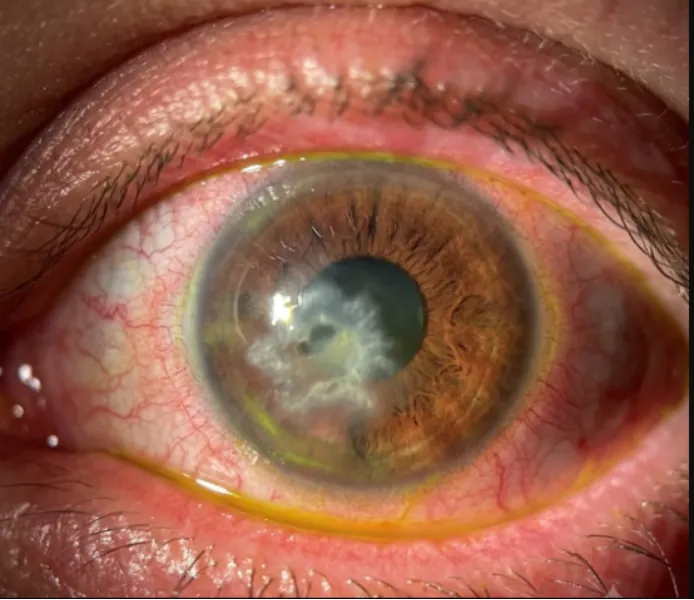
Keratitis is inflammation of the cornea and may be infectious or non-infectious. Bacteria, fungi, viruses and other organisms can cause corneal infection. Contact lens wear, eye injury and contaminated water exposure may increase the risk in certain situations.
Keratoconus
In keratoconus, the cornea gradually becomes thinner and develops an irregular, cone-like shape. This can produce increasing astigmatism, frequent spectacle-power changes, glare and distorted vision. It often begins in adolescence or early adulthood.
Corneal opacity
An injury, infection or inflammation can leave scarring that reduces corneal transparency. The effect on sight depends on the size, density and location of the opacity.
Symptoms That Need Prompt Examination
Mild dryness may cause temporary grittiness, but significant pain or reduced vision should not be ignored. Arrange an eye evaluation if you notice:
- Sudden or persistent eye pain
- Blurred or hazy vision
- Strong sensitivity to light
- A white spot on the cornea
- Excessive watering
- Increasing redness
- Discharge from the eye
- Difficulty keeping the eye open
- Symptoms following trauma or chemical exposure
A red eye in a contact lens user requires particular attention, especially when pain, light sensitivity or blurred vision is present.
Contact Lens Practices That Protect the Cornea
Contact lenses sit directly on the corneal surface, so hygiene matters. Wearers should follow the prescribed replacement schedule and avoid extending lens use simply because the lenses still feel comfortable.
Safer practices include:
- Wash and dry hands before touching lenses.
- Use recommended lens solution rather than tap water.
- Replace the storage case regularly.
- Never share contact lenses.
- Avoid swimming or showering while wearing lenses.
- Do not sleep in lenses unless specifically prescribed.
- Stop lens use if the eye becomes red, painful or unusually sensitive.
Decorative lenses also require proper fitting and hygiene. Purchasing them without an eye assessment can expose the cornea to avoidable risk.
What to Do After an Eye Injury
Do not rub an injured eye or attempt to remove an embedded object. If a loose particle enters the eye, gentle rinsing with clean water may help. Chemical exposure requires immediate and continuous rinsing, followed by urgent medical assessment.
Avoid applying rose water, honey, saliva, herbal preparations or leftover medication. These substances may introduce contamination or delay suitable treatment.
When Is a Cornea Transplant Considered?
A cornea transplant may be considered when disease, scarring or swelling has severely reduced corneal clarity and other treatments cannot provide adequate vision. Not everyone with a corneal condition requires transplantation. Depending on the affected layer, doctors may replace the full thickness of the cornea or only the damaged portion.
For people in Chandigarh and surrounding areas, early diagnosis of infection, keratoconus and corneal injury may expand the available treatment options. Protecting the cornea begins with safe daily habits, but persistent symptoms always deserve a proper examination.
Keywords